“Major Heat” (Dashu) is one of the 24 solar terms and, astronomically, the last solar term of summer; after it comes the Start of Autumn. Major Heat coincides with the second of the “three fu” dog-days, meaning it is the hottest period of the year. The Tang poet Bai Juyi once wrote, “How to dispel the oppressive heat? Just sit quietly in the courtyard; nothing before my eyes, but a cool breeze beneath the window” — showing how people longed for even a thread of cool breeze amid the sultriness. Customs differ between north and south; here is what people in the north traditionally eat at Major Heat.
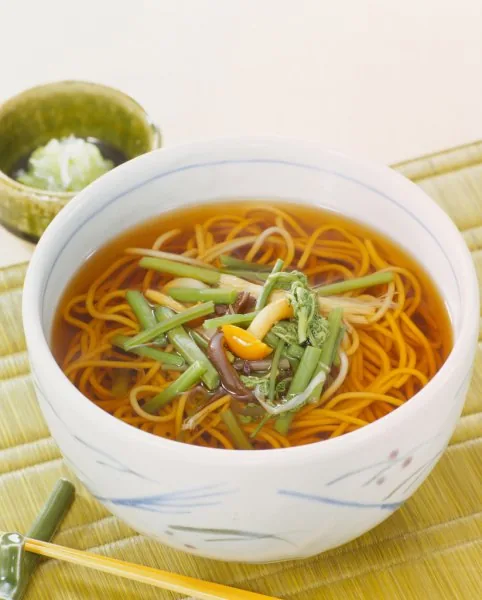
In the north, the custom at Major Heat is to eat noodles, dumplings and eggs, as the Beijing saying goes: “In the first fu, dough cakes; in the second fu, noodles; in the third fu, griddle cakes with fried eggs.” Practices vary by place: in Shanxi, a great noodle province, people eat cold noodles and “scissor-cut” noodles; in Henan, braised noodles (huimian). There are also some distinctive customs.
- “Adding summer fat”
The period around Major Heat is the hottest of the year and the most critical, fastest-growing time for crops. Because it is so hot, people pay close attention to diet during the dog-days, which in the north is called “adding summer fat” (tiē fú biāo). At this time the northern custom is to eat noodles, dumplings and eggs — per the Beijing saying above — and Beijingers would also make iced sour-plum drink and hawk it through the streets. Because appetites flag in the dog-days, in Chinese tradition wheaten foods are just the thing to whet the appetite.
According to the histories, the custom of eating noodles in the dog-days dates back at least to the Three Kingdoms period. In the past, living conditions were poor and appetites suffered in the summer heat; the start of the dog-days coincided with the just-finished wheat harvest, so eating dumplings was a treat. Hot-soup noodles in the second fu make people sweat, expelling damp and heat from the body, while griddle cakes and eggs in the third fu let people use the farming lull to replenish nutrition and build strength for the autumn harvest.
- Drinking lotus-seed soup
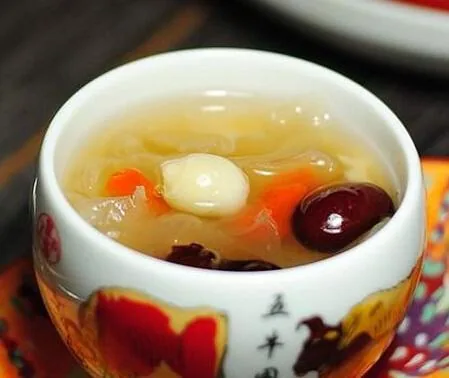
Since the Ming and Qing, lotus-seed soup has been the most popular food in the dog-days. One Qing-era record notes that in the height of summer people most enjoyed fresh, light fare, and lotus seeds eaten fresh were thought to promote longevity. Traditional Chinese medicine holds that lotus seeds are sweet and neutral in nature, tonifying the spleen, calming the intestines, nourishing the heart and benefiting the kidneys. Drinking lotus-seed soup often in summer is said to strengthen the mind and nourish the spleen; for older people it lightens the body and boosts energy.
To make it: remove the bitter cores from the lotus seeds and soak them in water for an hour; meanwhile tear up and rinse some white fungus and soak it briefly; then put the white fungus and lotus seeds in a pot with the right amount of water and simmer for two hours until the soup turns clear, adding rock sugar to taste.
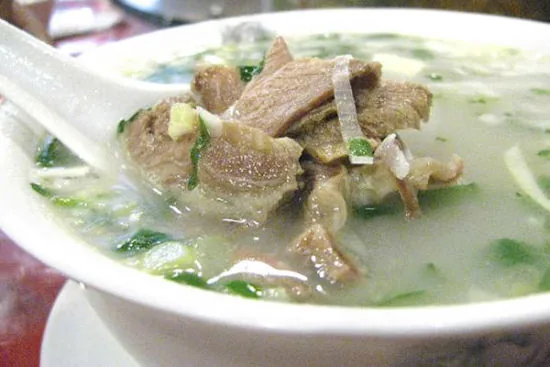
- “Drinking summer lamb”
In southern Shandong there is a custom of “drinking summer lamb” (mutton soup) on the day of Major Heat. In Zaozhuang, many residents go to local mutton-soup houses for it. The habit of eating dog-days mutton there is tied to local farming and climate. Zaozhuang is a famous wheat region; the start of the dog-days falls just after the wheat harvest, when the new flour comes onto the market — a brief farming lull. After the harvest, people are tired and ready to rest and enjoy themselves. What is there to eat? Steamed buns made of new wheat. With a little resolve, a family slaughters a sheep — and rather than eat it alone, they bring their married daughter (and grandchildren) back home for new-wheat buns and mutton soup. Once one family does so, the neighbours follow, and it becomes a local custom. Nutritionists have studied this and consider mutton most nutritious when eaten in the dog-days: with heat built up in the body, drinking mutton soup — together with chilli oil, vinegar and garlic — makes one sweat heavily, carrying off accumulated heat and toxins from the organs, which is very good for health.